No. 01
One chronology every party trusts.
Developer, property manager, vendor, resident — each used to keep their own record, and the records never agreed. HandoffHQ is the immutable archive every party cites from instead.

One chronology every party trusts — developer, manager, vendor, resident. Photographed, time-stamped, defensible.
Developer · Property manager · Vendor · Resident
One chronology, four protagonists
Developer, property manager, vendor, resident — each used to keep their own record, and the records never agreed. HandoffHQ is the immutable archive every party cites from instead.
Punch-fix vendors open to their dispatches, not a project portfolio. Photo-first capture, offline-tolerant, voice-to-punch in the field. Built for the work that actually happens.
Renderings, milestones, neighborhood — quiet, unhurried, no commitments the developer has not made. The residence that arrives matches the residence that was promised.
Every status change, photo, signature, COI, and reply lands on the same append-only chronology. From substantial completion through year-three warranty close — citation-ready throughout.
The developer signs the building into existence. The property manager keeps it standing. The GC and their subs close the punch list. The resident lives in it. HandoffHQ is the single place each of them opens to find what the other left behind.
Today · weeks-to-TCO, items off-track, Friday owner update.
Today · this week's walks, dispatches out, COIs expiring.
Today · the punch dispatches in front of you. Photo-first, offline-tolerant.
Today · the GC's forwarded punch and your own crew of field techs.
Your residence · the team behind it · everything in one place.
Not modules. Instruments — built for the specific moment the closeout team, the vendor, or the resident actually reaches for them.
Every residence loads its real floor plan. Tap a line on the typical plate, drill into the unit, drop the pin on the room. Replaces a paragraph in a spreadsheet with a coordinate on the architect's drawing.
Field tech speaks one sentence — "Ding in master bath unit 2906, paint, low priority." The system extracts location, trade, priority, description. Saves ninety seconds per item across hundreds of items a week.
Floor 55 mech room. Parking garage. Stairwell B. The capture queues locally when LTE drops, syncs on next foreground. The closeout team never reaches for a notebook to bridge the dead-zones.
The week's punch-close count, dispatched items, statutory deliveries, COI changes — pulled into a draft, every Friday morning. The PM reads the numbers, writes the paragraph in their voice, sends. The numbers come from the record. The words come from you.
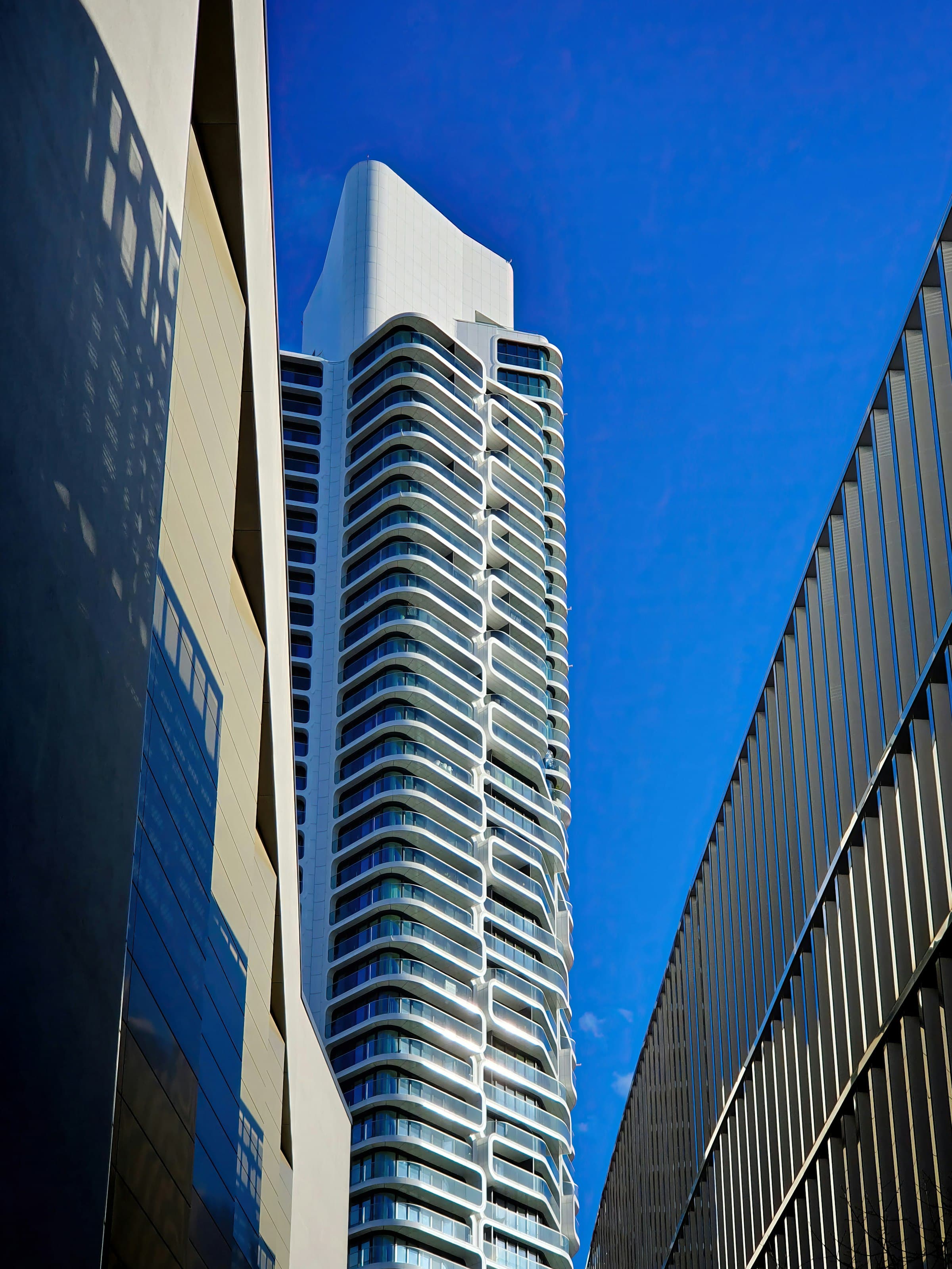
Renderings, milestones, neighborhood — no construction noise, no punch list, no commitments the developer has not made. The residence that arrives matches the residence that was promised.

Dispatch opens the day. The field tech captures photo-first, offline if the LTE drops, annotates a red circle on the chipped stone, signs off in front of the resident. Every click lands on the same chronology — the one every party cites from years later.
Punch list, inspections, RFIs, drawing log, COI hard-block. Three surfaces — developer, property manager, resident — and a magic-link entry for the GC, the architect, and the resolution vendor. One archive behind them all.
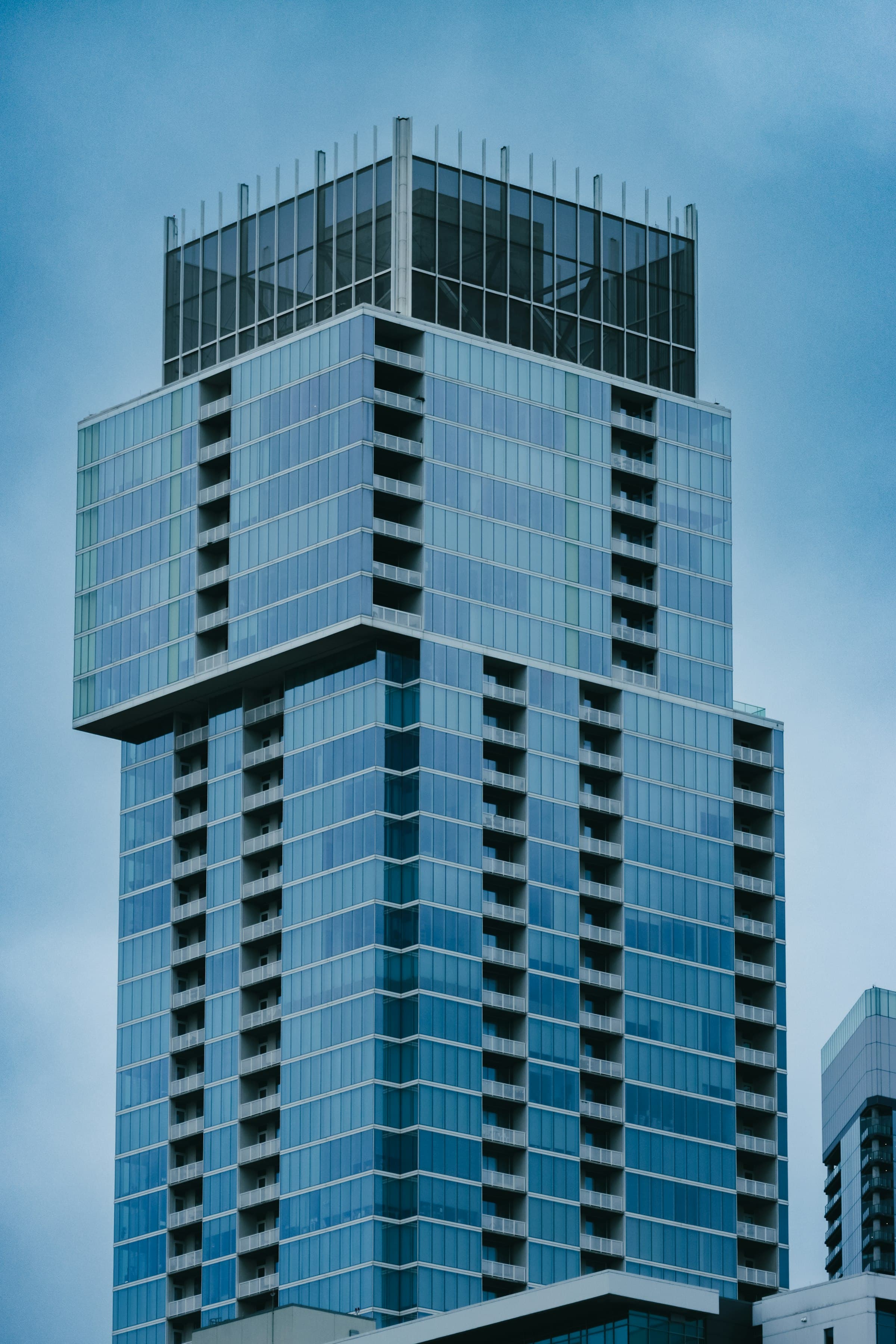
The board's counsel asks for the original sub, the certificate of insurance on file the day the work was done, the punch item it traces to, and the audit thread that closed it. The director opens her laptop and produces all four in under a minute.
The receipts existed all along. The record is the difference between a clean settlement and a discovery fight your tower cannot win.
From substantial completion forward, one chronology follows the building. Photographed. Time-stamped. Defensible. Yours through warranty close and beyond.